

Dr. Kazi T. Uzair Neurology Center
Dr. Kazi T. Uzair Neurology Center
Karachi, Pakistan
Established in 2023, the Dr. Kazi T. Uzair Neurology Center provides free specialist neurological care to patients who may otherwise be unable to afford consultations, diagnostic support, treatment and medication.
Established in 2023, the Dr. Kazi T. Uzair Center provides free specialist healthcare through its Diabetes, Chest, Psychiatry and Physiotherapy clinics, helping patients who may otherwise be unable to afford consultations, diagnostic support, treatment and ongoing care.
The Center responds to Pakistan’s growing burden of neurological disease while also supporting the education and development of future neurologists.
See the Project in Action
Care in Action at the Neurology Center
Step inside the Dr. Kazi T. Uzair Neurology Center and see how this initiative is helping provide essential medical care to patients in need. This video offers a glimpse into the center’s daily work, dedicated healthcare professionals, and the compassionate care being delivered to the community.
Project Gallery
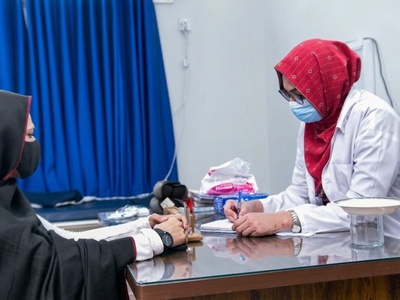
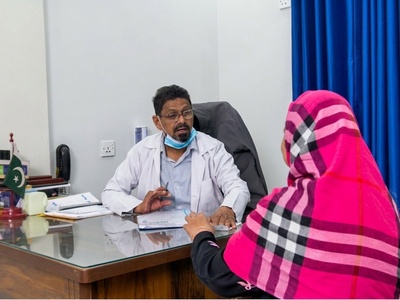
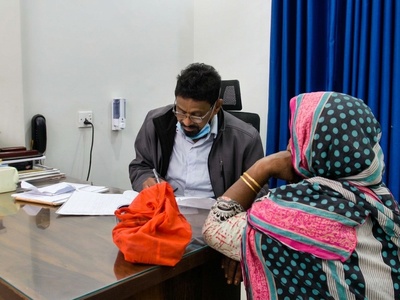
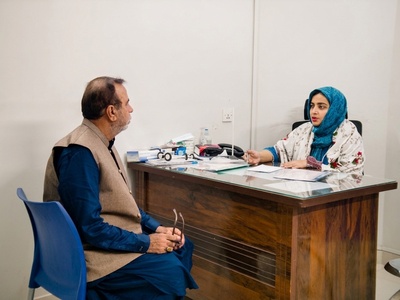
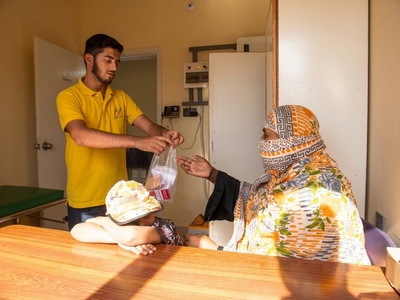
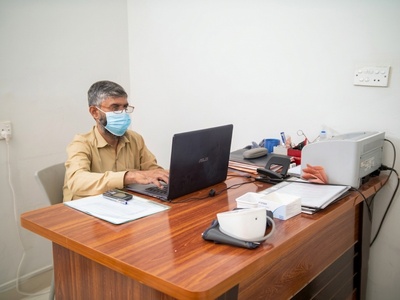
A Closer Look at the Neurology Center
These images provide a closer look at the facilities, medical services, and day-to-day activities at the Neurology Center. Through this project, AZ Foundation continues its commitment to improving access to quality healthcare and supporting individuals and families who need it most.
The Need for Specialist Neurological Care
Neurological disorders are among the leading causes of disability and death in Pakistan. Recent national and multicenter studies indicate that vascular and chronic neurological conditions account for a substantial and growing proportion of outpatient and inpatient healthcare needs.
Conditions such as stroke, epilepsy, chronic headaches, neuropathy, dementia, movement disorders and neuromuscular diseases often require specialist assessment, diagnostic testing, rehabilitation and long-term treatment.
For many families, the cost of accessing these services can delay diagnosis or prevent treatment from continuing.
Disease Burden and Prevalence
Sources supplied by the client: JNS Journal and Aga Khan University eCommons.
Pakistan’s population exceeded 241 million according to the 2023 national census. Although the country has a relatively young population, noncommunicable and neurological diseases are increasing rapidly.
Studies conducted across public and private neurology clinics indicate the above figures:
Growing burden
Other neurological conditions
Dementia, movement disorders, neuromuscular diseases and autoimmune neurological conditions represent a growing share of the disease burden, particularly among older adults.
Source: JNS Journal and Aga Khan University eCommons.
Stroke: A Major National Health Challenge
Stroke has emerged as a serious public-health challenge in Pakistan.
According to Global Burden of Disease 2021 estimates, stroke is the second leading cause of death in the country and is responsible for nearly 100,000 deaths annually. Its estimated prevalence exceeds 1,000 cases per 100,000 people.
Pakistan also experiences a significant number of strokes among younger adults. This can lead to long-term disability, loss of income and increased financial and caregiving pressure on families.
Timely neurological assessment, continued treatment and rehabilitation are essential for reducing the long-term effects of stroke.
Source: Life Science Network.
Supporting Patients Living With Epilepsy
Epilepsy remains one of the most common chronic neurological disorders in Pakistan.
Its estimated prevalence is approximately 9–10 cases per 1,000 people, affecting an estimated 1.3 to 2 million individuals. A large proportion of those affected are under the age of 30.
Epilepsy frequently requires:
- Accurate diagnosis
- Regular neurological consultations
- Continued monitoring
- Uninterrupted access to medication
- Guidance for patients and their families
Free specialist care can help patients continue treatment without placing additional financial pressure on their households.
Sources supplied by the client: PubMed Central and Pakistan National Epilepsy Registry.
Neurological Disability Impact
Neurological disorders can affect mobility, independence, employment, education and family life.
Recent data indicate that approximately:
- 36% of neurological patients experience mild disability
- 10% experience moderate to severe disability
Patients with moderate or severe disability may require long-term treatment, rehabilitation and continued support from their families and healthcare professionals.
The impact therefore extends beyond an individual diagnosis. It may affect the social and economic wellbeing of entire households.
Source: JNS Journal.
Neurological Disability Impact
A Critical Shortage of Neurologists
Published estimates supplied by the client suggest that Pakistan has roughly one neurologist for every one to one-and-a-half million people.
Pakistan continues to face a serious shortage of trained neurologists.
Published estimates suggest that the country has approximately 200 to 400 trained neurologists, equivalent to roughly one neurologist for every one to one-and-a-half million people.
This shortage creates a major barrier to:
- Timely diagnosis
- Specialist consultations
- Long-term neurological care
- Rehabilitation
- Access to treatment outside major urban centres
Patients who cannot afford private consultations are particularly affected by this specialist-care gap.
Sources: The Lancet and Pakistan National Epilepsy Registry.
The AZ Foundation Response
Patients Pay Nothing
Patients are not charged for consultations, diagnostics or medication provided through the Center.
In 2023, AZ Foundation established the Dr. Kazi T. Uzair Neurology Center to serve patients and communities with limited access to specialist neurological treatment.
Neurological care can be expensive because it may require diagnostic tests, regular consultations, rehabilitation and long-term medication. A significant portion of healthcare expenditure in Pakistan is paid directly by patients and their families.
The Center works to remove this financial barrier by providing neurological care without charging patients.
Care Today. Training for Tomorrow.
“Train one doctor. Treat thirty years of patients.
The Center’s work extends beyond treating current patients.
AZ Foundation is also committed to supporting the training and professional development of future neurologists and healthcare professionals in Pakistan.
Developing local specialists can:
- Expand access to neurological care
- Create sustainable medical career opportunities
- Reduce dependence on a limited specialist workforce
- Improve long-term diagnostic and treatment capacity
- Allow trained professionals to continue serving their communities
“Train one doctor. Treat thirty years of patients.”
Over time, the Dr. Kazi T. Uzair Neurology Center aims to strengthen its capacity for comprehensive neurological care, advanced diagnostics, rehabilitation and professional training.
Our Impact
Help Keep Specialist Care Free
Donations to clinic operations help provide neurological consultations, diagnostic support, medication, rehabilitation and continued care for patients who cannot afford specialist treatment.
Your support also contributes to medical education and the development of future healthcare professionals.
Sources and References
Sources and References
Medical and population figures presented on this page are based on research sources supplied by the client.
- JNS Journal
- Aga Khan University eCommons
- Global Burden of Disease 2021
- PubMed Central
- Pakistan National Epilepsy Registry
- The Lancet
Help Us Continue Serving Patients
Your donation helps the Dr. Kazi T. Uzair Neurology Center provide free specialist consultations, diagnostic support and medication to patients who cannot afford neurological care.
Donations for clinic operations help sustain free patient care and medical services.
We Need Your Help
Notice: Test mode is enabled. While in test mode no live donations are processed.
Top 3 Donations

Pranav Krishna

Arif Hossain

Jamal Ahmed
Recent Donations

Abdul Wahab Sadozai

Abdul Munis

Jsnsj Ksksm

Abderrahman Baaziz
